Our Process: From Survey to Signoff
Discovery begins with a site walk and a milestone roadmap: what we’ll design, when decisions are due, and who owns each step. Existing conditions are verified; preliminary one-lines, load calcs, and room layouts are issued early to de-risk space planning; and utility coordination starts immediately so service sizes, vault needs, and meter configurations don’t become late blockers. Meetings are short and action-oriented, with decisions captured in a living decision log that keeps drawings aligned with reality.
Design development turns principles into specifics you can build. We finalize feeder sizes and breaker ratings, confirm fault duties, and detail grounding and bonding. Lighting layouts, receptacle plans, and control zoning are coordinated with interiors; equipment clearances, aisle widths, and egress paths are checked in plan and section. Where helpful, BIM clash detection prevents conflicts with ducts, piping, and structure, and we coordinate penetrations and sleeves before concrete or steel deadlines. Specifications emphasize labeling standards, spares, and maintainability so facilities inherit a plant that’s easy to run.
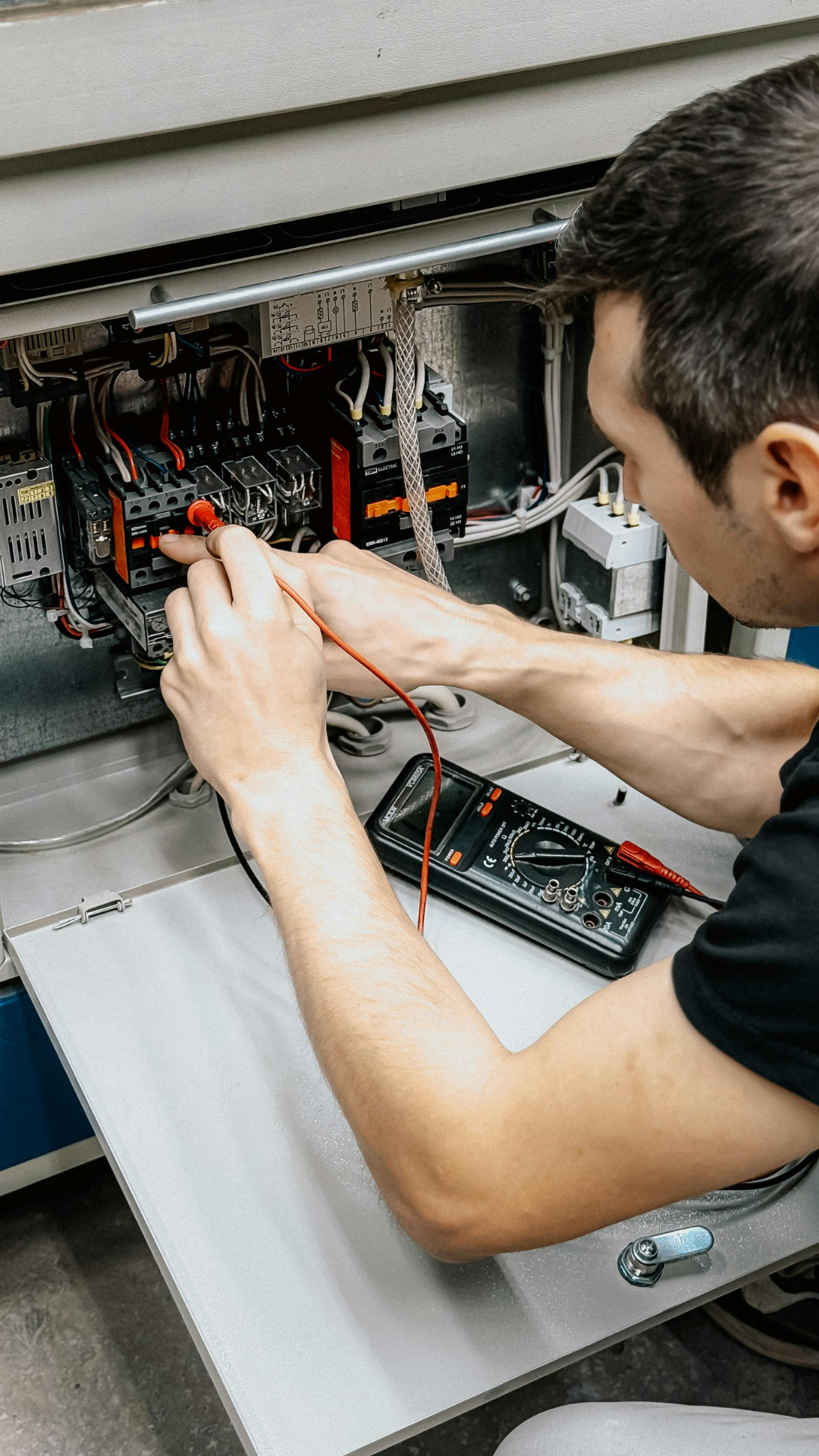
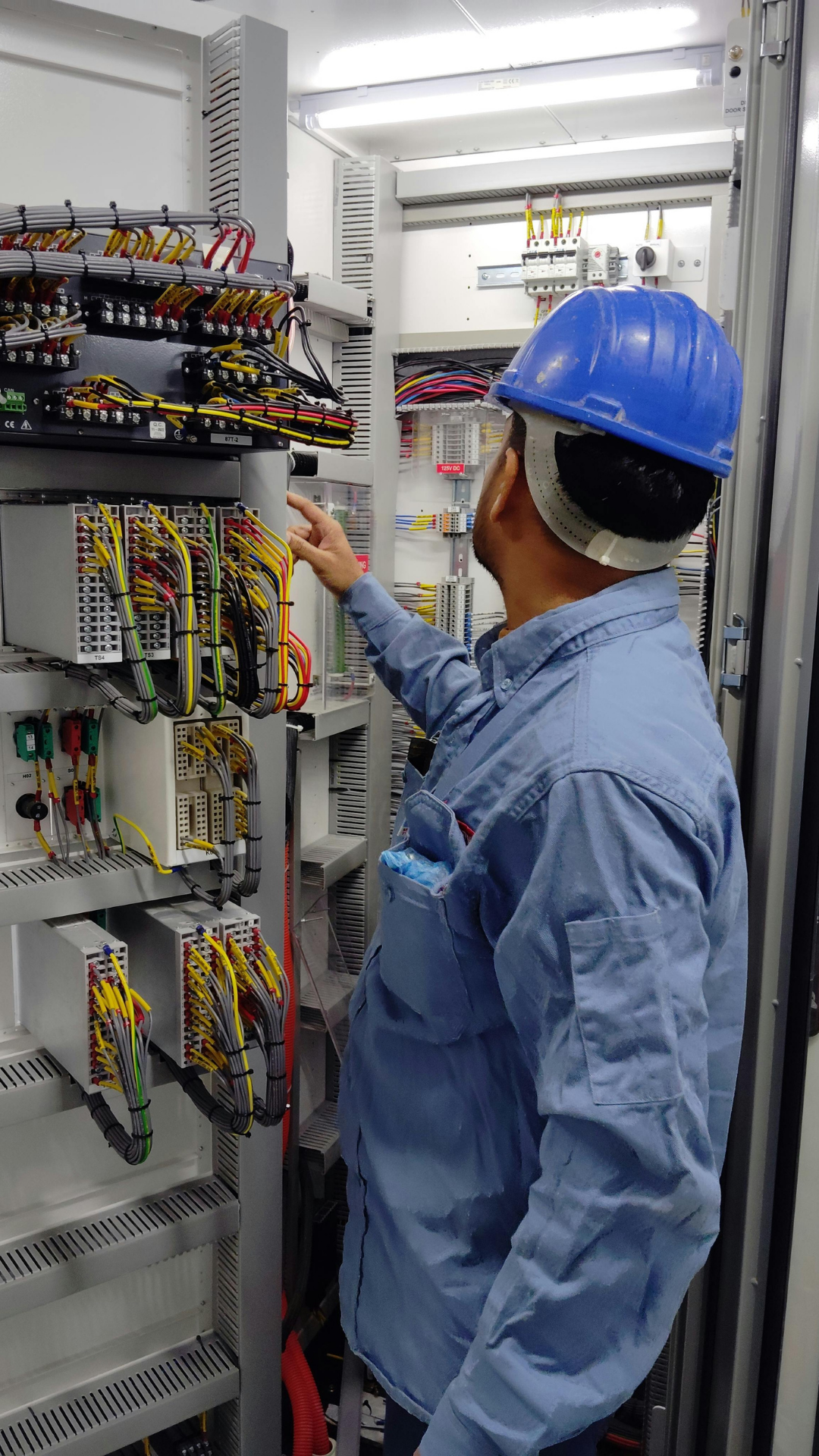
Construction documents make installation unambiguous. Plans show conductor sizes, raceway types, elevations, and mounting heights; panel schedules and distribution diagrams present the whole story at a glance; details cover surge protection, grounding electrodes, anchorage, and seismic bracing. Through construction administration, we review submittals for equivalency and serviceability, answer RFIs quickly with sketches, and resolve routing constraints before they become change orders. Commissioning checklists align with energy code and life-safety testing; closeout includes O&M manuals, settings sheets, and labeled as-builts that actually match the field.
Post-turnover, we remain a resource. We review trend data, fine-tune control sequences, and advise on phased upgrades when tenants expand or programs change. Because rooms are laid out for access and parts are labeled plainly, maintenance is safer and faster, outages are shorter, and energy use stays on target. For owners and builders who value predictability, our end-to-end approach delivers a smooth path from first sketch to final letter—and that’s the practical promise we bring to building electrical engineering in NYC.