How We Work with Your Team
Partnering with LL Engineering PC is a straightforward, collaborative process built around clarity and momentum. We begin with discovery to confirm scope, milestones, and responsibilities, then ground decisions in a site walk or existing condition review. During schematic design, we identify risers, equipment rooms, and main routes early so the architect can reserve space and the contractor can plan logistics and pricing with confidence. A simple roadmap lists submittals, decision dates, and owner reviews, keeping communication tight and eliminating surprises that typically cause redesign or change orders.
In design development, we convert principles into specifics that build cleanly. Pipe sizes, elevations, and slopes are defined; water heater and pump options are evaluated for recovery, efficiency, and serviceability; roof drain counts and overflow strategies are coordinated with the structure and façade. Where beneficial, we model in BIM to avoid clashes with ducts, beams, or cable trays. Specifications emphasize access, labeling, corrosion control, and insulation so facility teams can operate and maintain systems safely, with instrumentation that makes performance visible for proactive adjustments.
Construction documents translate decisions into unambiguous instructions. Plans show sizes, elevations, slopes, and insulation; riser diagrams present the vertical logic; details address PRV stations, backflow assemblies, ejector pits, and condensate neutralization. Through construction administration, we review shops for equivalency, answer RFIs with concise sketches, and visit the site to resolve routing constraints before they escalate. We also witness flushing and disinfection, organize test reports and O&M manuals, and capture as builts for handover. For owners comparing partners for plumbing engineering services in NYC, the benefit is predictability: bids are priced accurately, approvals move on schedule, and systems deliver quiet, steady service for years.
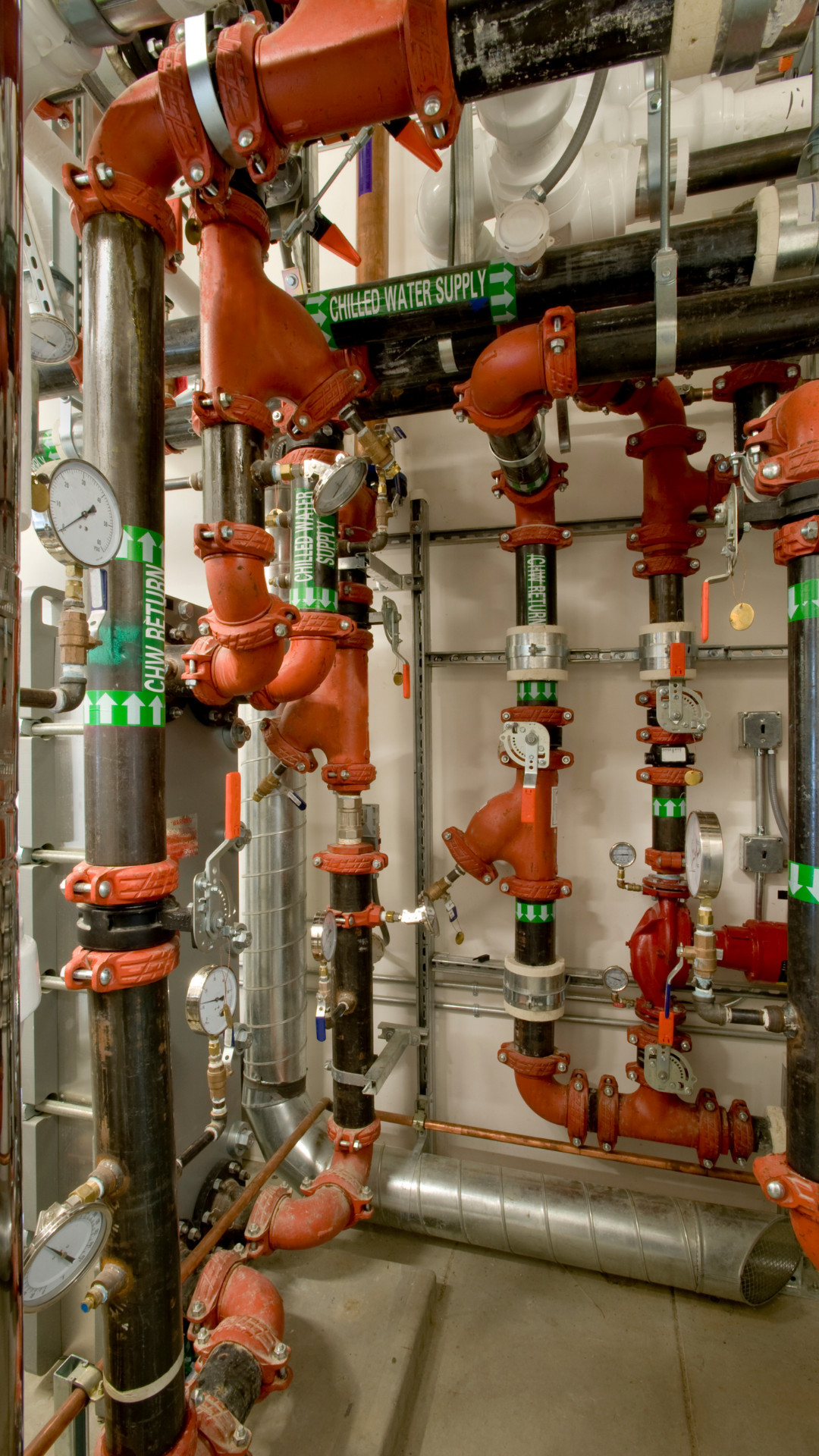
After turnover, we remain a resource. We review service data, fine-tune set points, and advise on maintenance intervals that match actual usage. When buildings expand or programs change, we evaluate upgrades that fit existing infrastructure with minimal disruption. Because we design rooms people can work in, valves, gauges, and strainers are accessible, labeled, and safe to reach, which reduces downtime and keeps tenants, guests, and staff comfortable year-round. That practical focus is the difference between plans that look good and systems that simply work.