

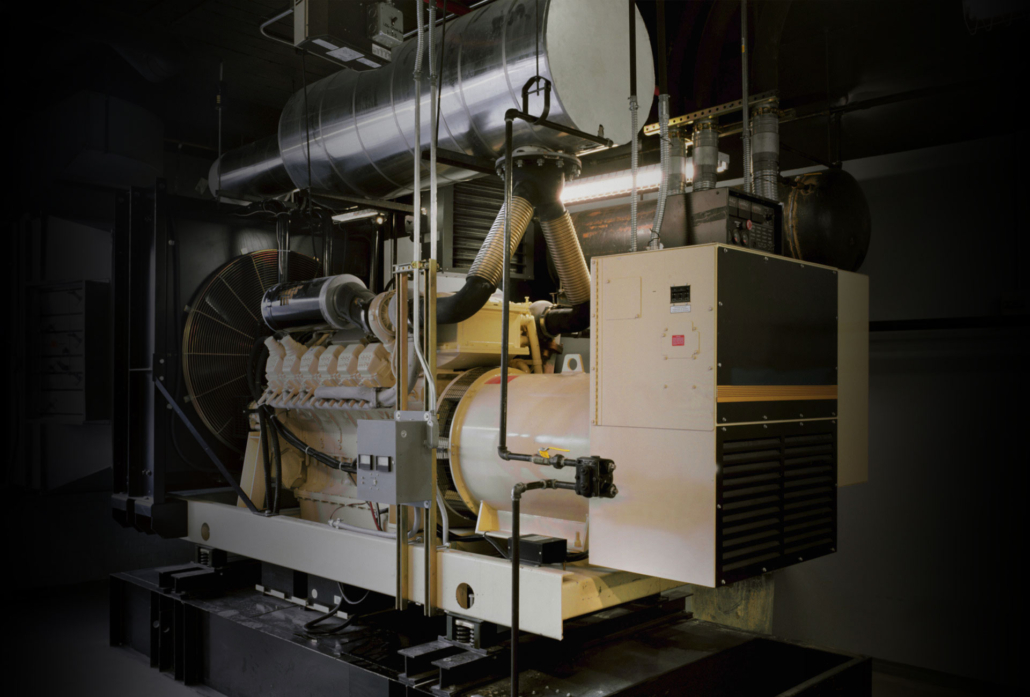
Understanding HVAC Design by Mechanical Engineers in Queens
Modern buildings depend on efficient heating, ventilation, and air conditioning systems to maintain comfort, safety, and energy efficiency. Whether it is a residential property, commercial facility, or mixed-use development, the design of an HVAC system plays a central role in how the building functions day to day. From maintaining comfortable indoor temperatures to ensuring proper ventilation, the quality of HVAC planning has a direct impact on building performance and occupant well-being.
In dense urban environments such as Queens, building systems must be carefully designed to meet complex architectural layouts, strict building regulations, and the needs of diverse occupants. This is where professional engineering expertise becomes essential. Skilled engineers analyze building characteristics, environmental conditions, and regulatory requirements to develop systems that operate efficiently and reliably.
Property owners, developers, and architects increasingly rely on Mechanical Engineers in Queens to guide HVAC planning from the earliest design stages. Their role goes far beyond selecting equipment. They evaluate structural layouts, calculate heating and cooling loads, and coordinate with construction teams to ensure every system component works together smoothly. By doing so, they help create buildings that are comfortable, efficient, and fully compliant with local codes.
What HVAC Design Means in Building Engineering
HVAC design is the process of planning and engineering systems that heat, cool, and ventilate indoor spaces. It is an essential part of building engineering that determines how air moves through a structure, how temperature is controlled, and how indoor environments remain healthy and comfortable.
Defining HVAC Design
At its core, HVAC design involves creating a system that regulates temperature, humidity, and airflow throughout a building. Engineers must determine the heating and cooling loads of a structure and the air circulation required through rooms, corridors, and shared spaces.
Effective HVAC design requires careful calculations and technical expertise. Engineers evaluate factors such as building size, window placement, insulation levels, and external climate conditions. These variables influence how heat enters and leaves the building, which directly affects system performance.
Core Components of HVAC Systems
A typical HVAC system includes three primary components. Heating systems provide warmth during colder months through furnaces, boilers, or heat pumps. Cooling systems remove heat and maintain comfortable indoor temperatures through air conditioners or chillers. Ventilation systems circulate fresh air while removing stale air and indoor pollutants.
Each component must work together seamlessly. If one element is poorly designed or incorrectly sized, it can affect the entire system’s efficiency and performance. For this reason, experienced Mechanical Engineers in Queens carefully design HVAC systems that balance heating, cooling, and airflow to maintain consistent indoor comfort.
Why Proper System Planning Is Essential
Poorly designed HVAC systems can lead to numerous problems, including uneven temperatures, high energy bills, poor air quality, and equipment breakdowns. Proper planning ensures the system meets the building’s needs while operating efficiently.
Engineering professionals analyze all aspects of a building before finalizing HVAC designs. Their work ensures systems are neither undersized nor oversized, both of which can lead to inefficiencies and operational issues.
Role of Mechanical Engineers in HVAC Projects
Mechanical engineers play a vital role in the planning and execution of HVAC systems. Their work begins during the early stages of building design and continues through construction and final system approval.
Load Calculations and System Sizing
One of the first tasks engineers perform is calculating heating and cooling loads. This involves determining the energy required to maintain comfortable indoor conditions.
Load calculations consider numerous factors, including building orientation, insulation levels, number of occupants, lighting systems, and equipment that generates heat. These calculations help engineers determine the appropriate capacity for HVAC equipment.
Accurate load calculations are essential because oversized systems waste energy and increase operational costs, while undersized systems struggle to maintain indoor comfort. Experienced Mechanical Engineers in Queens ensure systems are correctly sized to meet real building demands.
Equipment Selection and Ductwork Planning
Once the system capacity is determined, engineers select appropriate equipment and design ductwork layouts. Equipment selection includes air handlers, condensers, chillers, boilers, and ventilation units.
Ductwork planning is equally important because it determines how air flows through the building. Engineers must design ducts that distribute air evenly while minimizing energy loss and noise.
Coordination With Architects and Construction Teams
HVAC systems must fit within the overall building structure. Engineers coordinate closely with architects, structural engineers, and contractors to ensure system components integrate seamlessly with building layouts.
This coordination prevents conflicts between HVAC equipment, plumbing systems, electrical installations, and structural elements. Collaboration is essential for ensuring smooth construction and efficient system performance.
Key Factors Engineers Consider in HVAC Design
HVAC design requires engineers to evaluate many building characteristics before finalizing system plans. These factors influence system efficiency, occupant comfort, and long-term operating costs.
Building Size and Layout
The physical dimensions and layout of a building significantly affect HVAC design. Large open areas, multi-story structures, and complex floor plans require careful airflow planning.
Engineers must determine how air will circulate throughout the building and ensure each space receives adequate heating and cooling. Skilled Mechanical Engineers in Queens analyze architectural plans to ensure HVAC systems match the building’s spatial design.
Occupancy and Usage Patterns
Different buildings have different occupancy patterns. A residential apartment building, office space, or retail environment each has unique heating and cooling requirements.
For example, conference rooms with high occupancy may require additional ventilation, while storage areas may require minimal climate control. Engineers design systems that reflect these varying needs.
Climate Conditions and Insulation
Local climate conditions play an important role in HVAC design; buildings in urban areas like New York City experience seasonal temperature variations that affect heating and cooling demand.
Engineers also evaluate insulation quality, window performance, and building materials. These factors influence the amount of heat that enters or leaves the building.
Ventilation and Airflow Distribution
Ventilation ensures that fresh outdoor air replaces stale indoor air. Proper airflow distribution helps maintain healthy indoor environments and prevents areas of stagnant air.
Professional Mechanical Engineers in Queens carefully plan ventilation pathways to ensure every room receives adequate airflow while maintaining energy efficiency.
Energy Efficiency and Sustainable HVAC Solutions
Energy efficiency has become a major priority in modern building design. HVAC systems account for a significant portion of a building’s energy consumption, making efficient system design essential.
Importance of Energy-Efficient Systems
Efficient HVAC systems reduce operating costs while minimizing environmental impact. Energy-efficient equipment uses advanced technology to deliver the same level of comfort while consuming less power.
Engineers consider system efficiency ratings, building insulation, and smart controls when designing HVAC systems. These features help reduce energy consumption without sacrificing performance.
Smart Controls and Zoning Systems
Modern HVAC systems often include smart controls that allow building owners to regulate temperatures in different areas. Zoning systems divide buildings into separate temperature zones, enabling customized climate control.
This approach prevents unnecessary energy use in unoccupied areas while maintaining comfort where it is needed most.
By incorporating these technologies, Mechanical Engineers in Queens help building owners achieve long-term energy savings and improved system performance.
Long-Term Benefits for Property Owners
Energy-efficient HVAC systems can significantly lower utility bills over time. They also extend equipment lifespan by reducing strain on system components.
Investing in professional engineering design ensures property owners receive systems that operate efficiently for years to come.
HVAC Compliance With NYC Building Codes
HVAC systems in New York must comply with strict building and mechanical codes. These regulations ensure that systems operate safely and meet health and environmental standards.
Mechanical Code Requirements
Local building codes specify requirements for ventilation rates, equipment installation, energy efficiency, and safety measures. Engineers must design HVAC systems that comply with these regulations from the beginning.
Failure to meet code requirements can result in delays, fines, or costly redesigns.
Permitting and Approval Process
HVAC systems must undergo review and approval before installation. Engineers prepare detailed design documents and submit them for review by local authorities.
Experienced Mechanical Engineers in Queens understand these procedures and help clients navigate the permitting process efficiently.
Ensuring Safe and Compliant Installation
During construction, engineers may review installation progress to ensure that contractors adhere to approved designs. This oversight helps maintain system integrity and ensures final approval is obtained without complications.
Impact of HVAC Design on Indoor Air Quality
Indoor air quality is an important consideration for both residential and commercial buildings. Proper HVAC design plays a key role in maintaining healthy indoor environments.
Importance of Proper Ventilation
Ventilation systems remove indoor pollutants, odors, and excess moisture while introducing fresh outdoor air. Without proper ventilation, contaminants can accumulate and affect occupant health.
Managing Humidity and Airflow
Humidity control is another critical function of HVAC systems. Excess moisture can lead to mold growth and structural damage, while overly dry air can cause discomfort.
Well-designed systems regulate humidity levels while maintaining consistent airflow throughout the building.
By focusing on ventilation and airflow management, Mechanical Engineers in Queens help create healthier indoor environments for building occupants.
Why Early HVAC Planning Is Important
Integrating HVAC planning early in the design process offers significant advantages for building projects. Early coordination helps prevent complications during construction and improves overall project outcomes.
Preventing Design Conflicts
HVAC equipment requires space within ceilings, mechanical rooms, and building infrastructure. Early planning ensures these requirements are incorporated into architectural designs.
Without proper coordination, equipment may conflict with structural elements or other building systems.
Reducing Project Delays and Costs
Late-stage design changes can cause construction delays and increase project costs. Early HVAC planning minimizes these risks by ensuring system layouts are finalized before construction begins.
Professional Mechanical Engineers in Queens help streamline the construction process by coordinating system designs with all project stakeholders.
Improving Overall Building Performance
When HVAC systems are carefully integrated into building design, they perform more efficiently and require less maintenance. Early planning allows engineers to optimize system performance while reducing long-term operating costs.
Conclusion
HVAC systems are essential components of modern buildings, influencing everything from comfort and energy efficiency to indoor air quality and regulatory compliance. Designing these systems requires technical expertise, careful planning, and a deep understanding of building performance.
Experienced Mechanical Engineers in Queens play a critical role in ensuring HVAC systems are designed correctly from the beginning. Their work includes load calculations, equipment selection, ventilation planning, and coordination with architects and contractors. Through this expertise, they help create systems that operate efficiently, comply with building codes, and support healthy indoor environments.
For property owners, developers, and construction teams, working with an experienced engineering firm can significantly impact project success. Firms such as LL Engineering P.C. provide comprehensive engineering consulting and construction management services, guiding clients from initial design through construction and final approval.
By partnering with qualified engineering professionals, building owners can ensure their HVAC systems are reliable, efficient, and designed to support long-term building performance. Proper planning today leads to safer, more comfortable, and more sustainable buildings for the future.


