

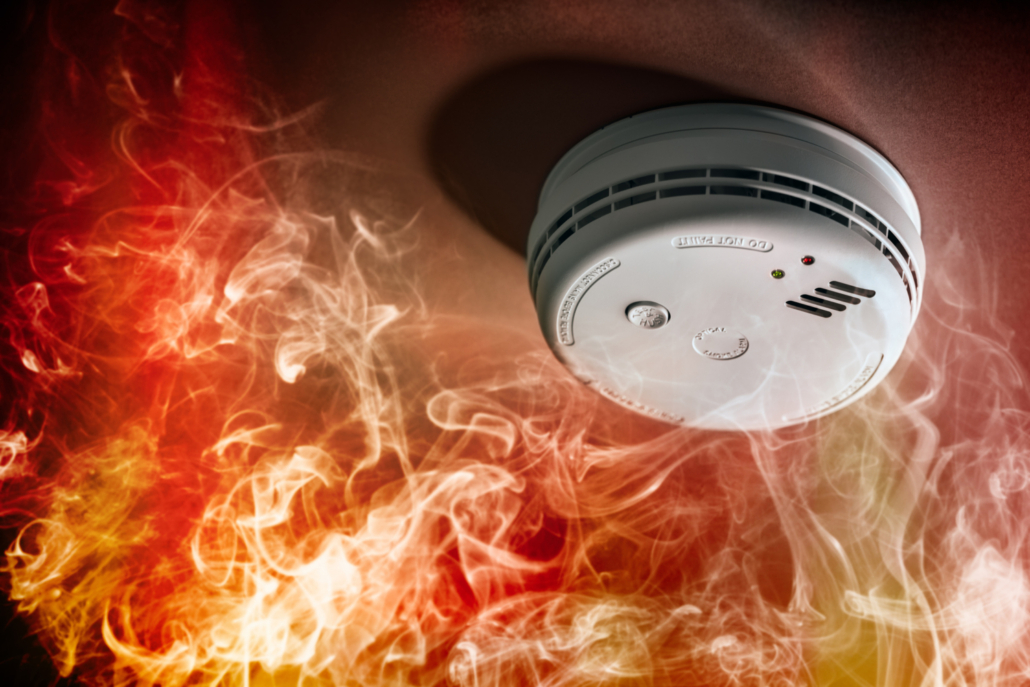
How Fire Alarm Engineers in Queens Improve Emergency Preparedness
Urban buildings are complex environments that require serious safety planning. In a dense borough like Queens, residential towers, commercial buildings, and mixed-use properties are often filled with hundreds of occupants at any given time. When emergencies such as fires occur, people rely on well-designed safety systems to warn them quickly and guide them to safety during evacuation. Without a carefully engineered fire alarm system, even a small incident can quickly become dangerous. Emergency preparedness depends on planning, technology, and professional expertise. Fire alarm systems play a crucial role in detecting hazards early and alerting building occupants so that they can act quickly. These systems must be designed to strict safety standards while adapting to each property’s unique layout. This is where experienced Fire Alarm Engineers in Queens make a significant contribution to building safety and preparedness.
Engineering firms like LL Engineering P.C. help property owners develop reliable fire alarm systems that comply with safety codes and perform effectively in real-world conditions. Through thoughtful design, regulatory compliance, and coordination with construction teams, engineers ensure buildings are equipped with reliable safety systems that protect people and property.
Importance of Emergency Preparedness in Urban Buildings
Emergency preparedness in large urban buildings requires careful planning because of the number of occupants and the complexity of modern construction. Residential buildings, offices, schools, retail spaces, and industrial facilities all face different fire safety risks. Preparing for emergencies means identifying potential hazards and designing systems that respond quickly when incidents occur.
Fire alarm systems serve as the first line of defense during a fire emergency. When properly engineered, they detect smoke or heat early and immediately alert occupants to evacuate. Early detection can prevent injuries, reduce property damage, and enable emergency responders to respond more quickly. This is why professional Fire Alarm Engineers in Queens are often involved early in the design and construction process to ensure that safety systems function as intended.
A well-designed fire alarm system is not simply about installing alarms in random locations. Instead, it requires a detailed understanding of building layouts, occupancy patterns, and fire safety regulations. Engineers carefully study floor plans, building materials, and evacuation routes to determine the best system configuration. Their work ensures that alarms provide timely alerts without false signals or system failures.
The Role of Fire Alarm Engineers in Building Safety
Fire alarm engineers are responsible for developing systems that detect fires quickly and provide clear warnings to building occupants. Their work involves technical planning, regulatory compliance, and coordination with architects, contractors, and building owners.
Designing fire alarm systems for residential and commercial buildings requires careful attention to how people use the space. Residential properties may require detectors in hallways, living spaces, and mechanical rooms, while commercial buildings often require additional devices such as manual pull stations, strobe lights, and voice evacuation systems. Experienced Fire Alarm Engineers in Queens design systems that meet the specific safety needs of each building.
Proper detection and warning systems are critical to reducing risk during emergencies. Engineers determine where smoke detectors, heat sensors, and notification devices should be installed so that alarms activate quickly and reach all occupants. Clear, audible, and visual warnings help ensure that people receive the message to evacuate regardless of where they are inside the building.
Fire alarm engineers also coordinate safety planning during construction or renovation projects. When buildings are expanded or modified, fire safety systems must be updated accordingly. Engineering oversight helps ensure that safety devices remain functional and compliant with regulations as the structure evolves.
Fire Alarm System Design and Engineering
The design of a fire alarm system begins with understanding the building’s physical structure. Engineers analyze architectural drawings and evaluate how different spaces are connected. Large open areas, stairwells, mechanical rooms, and corridors all require different approaches to fire detection.
Planning system layouts require the thoughtful placement of sensors and alarm components. Engineers determine where detectors should be installed to detect smoke or heat quickly. Strategic placement is essential because poorly positioned devices may delay detection or cause false alarms.
Control panels serve as the system’s central command center. They receive signals from detectors and activate alarms throughout the building. Engineers ensure these panels are located in accessible, protected areas so emergency responders can easily monitor and manage the system. Skilled Fire Alarm Engineers in Queens also design systems that include backup power sources to ensure alarms continue to function during electrical outages.
Integration with other building safety features is another key aspect of engineering design. Fire alarm systems may connect with sprinkler systems, smoke control equipment, elevators, and emergency lighting. This integration allows multiple safety features to work together during an emergency. For example, an alarm may automatically trigger smoke control systems or recall elevators to prevent occupants from using them during a fire.
Ensuring Compliance with NYC Fire Safety Codes
New York City has strict regulations governing fire alarm systems and building safety. These rules are designed to protect occupants and ensure that buildings are equipped with reliable safety technology. Compliance with these codes is essential for obtaining permits, passing inspections, and maintaining safe operations.
Professional engineers play an important role in interpreting and applying these regulations. They review building codes, fire department requirements, and Department of Buildings guidelines to ensure every system complies with legal standards. This process requires attention to detail and technical knowledge.
Engineering documentation is another important part of the approval process. Detailed drawings, calculations, and specifications must be prepared to demonstrate how the fire alarm system will function. These documents are submitted for review before installation begins. Experienced Fire Alarm Engineers in Queens prepare these materials carefully to avoid delays in approvals.
During construction and installation, engineers may also coordinate inspections and provide technical clarification when required. Their involvement helps ensure that the final system matches the approved design and performs as expected.
Improving Emergency Response and Evacuation Readiness
One of the most important functions of a fire alarm system is guiding people to safety during emergencies. Clear alarm signals and notification systems help occupants understand when to evacuate and where to go.
Fire alarm engineers design systems that communicate effectively with building occupants. Audible alarms, flashing lights, and voice evacuation messages can all be integrated to deliver clear instructions. These features help ensure that individuals respond quickly when a fire is detected.
Proper system design also supports evacuation planning. Alarm systems are often coordinated with emergency lighting and exit signage to guide occupants along safe routes. By carefully studying building layouts, Fire Alarm Engineers in Queens help ensure that evacuation pathways remain clear and accessible.
Reducing confusion during emergencies is a major goal of fire alarm engineering. When alarms activate consistently and provide clear signals, occupants are more likely to respond calmly and efficiently. This improves overall emergency response and reduces the risk of injury.
Upgrading and Modernizing Fire Alarm Systems
Many buildings rely on older fire alarm systems that may no longer meet modern safety standards. As technology evolves, upgrading these systems is essential to maintaining safety and compliance.
Modern fire alarm technologies offer improved reliability, faster detection, and advanced monitoring capabilities. Digital control panels, networked systems, and remote monitoring enable building managers to detect issues and respond to emergencies more quickly. Fire Alarm Engineers in Queens often assist property owners with evaluating existing systems and recommending appropriate upgrades.
Renovation projects also create opportunities to improve fire safety. When buildings undergo structural changes or expansions, fire alarm systems must be updated to reflect the new layout. Engineering oversight ensures that safety devices remain properly positioned and fully functional.
Modern monitoring systems can also provide real-time alerts to building management or emergency services. These systems enhance preparedness by allowing faster responses to potential hazards.
Risk Assessment and Fire Safety Planning
Effective fire protection begins with understanding potential risks within a building. Engineers conduct detailed evaluations to identify hazards and determine where safety improvements may be needed.
Risk assessments involve reviewing building layouts, occupancy patterns, and equipment that may increase fire risk. Mechanical rooms, kitchens, electrical equipment areas, and storage spaces often require additional detection coverage. Professional Fire Alarm Engineers in Queens use this information to develop systems that address these risks.
Customized fire safety strategies are developed for each building. Rather than relying on generic solutions, engineers design systems tailored to the property’s specific needs. This approach improves detection accuracy and ensures that alarms respond effectively during emergencies.
Risk assessments also help property owners understand the importance of maintaining safety systems. Regular testing, maintenance, and inspections are necessary to ensure fire alarm systems continue to function properly over time.
The Value of Professional Engineering Support
Fire alarm system design requires technical expertise, regulatory knowledge, and careful coordination with construction teams. Working with experienced engineers provides building owners with confidence that their safety systems are reliable and compliant.
Professional engineers bring valuable insight into complex projects. They understand how fire alarm systems interact with other building components and how to design solutions that work efficiently. Fire Alarm Engineers in Queens also help ensure installations comply with safety codes and pass inspections without unnecessary delays.
Careful planning during the early stages of construction can prevent costly corrections later. Engineering support helps avoid coordination issues among trades and ensures that safety systems are seamlessly integrated into the building design. Long-term building safety also benefits from professional oversight. A well-designed system requires fewer modifications and provides reliable protection for years to come. Engineering expertise ultimately helps reduce risk while improving overall emergency preparedness.
Conclusion
Fire safety is a critical responsibility for building owners, developers, and property managers. In busy urban areas like Queens, effective emergency preparedness depends heavily on well-designed fire alarm systems that can detect hazards quickly and guide occupants to safety.
Professional Fire Alarm Engineers in Queens play a vital role in designing these systems, ensuring compliance with local safety codes, and coordinating installation during construction or renovation projects. Their expertise allows buildings to operate with reliable fire detection systems that improve response times and reduce potential risks.
Investing in professional fire alarm engineering provides long-term benefits for both property owners and occupants. With careful planning, advanced technology, and regulatory compliance, buildings can maintain strong safety standards and be better prepared for emergencies.
For property owners seeking dependable fire safety solutions, working with experienced professionals like LL Engineering P.C. can make a significant difference. Their commitment to understanding client needs, delivering precise engineering designs, and supporting projects from concept to completion helps ensure that buildings remain safe, compliant, and prepared for the unexpected.

