What the TR8 Covers and How We Manage It
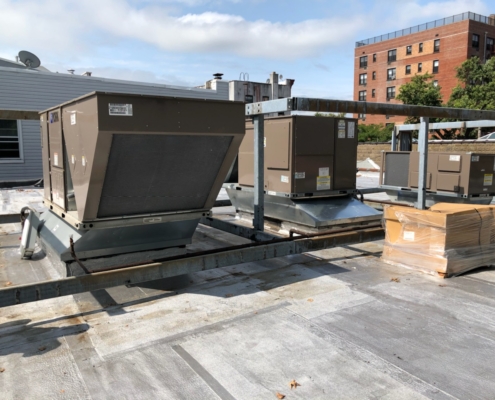
Before work begins, we build a simple inspection matrix that links each code item to drawings, specs, and the trade responsible for installation. Envelope insulation values, air-barrier continuity, and window performance data are mapped to details and product labels so field checks are fast and unambiguous. The same matrix ties mechanical equipment efficiencies, pipe and duct insulation thicknesses, and economizer or heat-recovery requirements to specific submittals, ensuring what’s purchased will pass on-site verification during TR8 inspections. We also define who witnesses each check and what artifact proves it, so there is one clear path from product selection to approval.
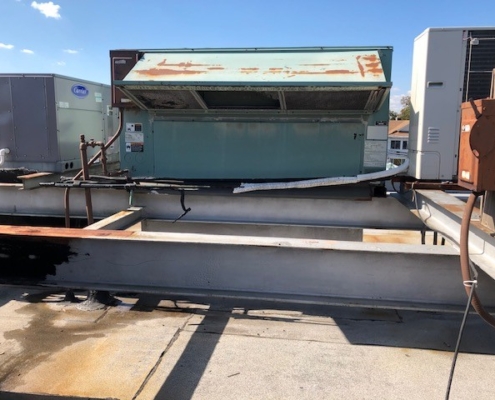
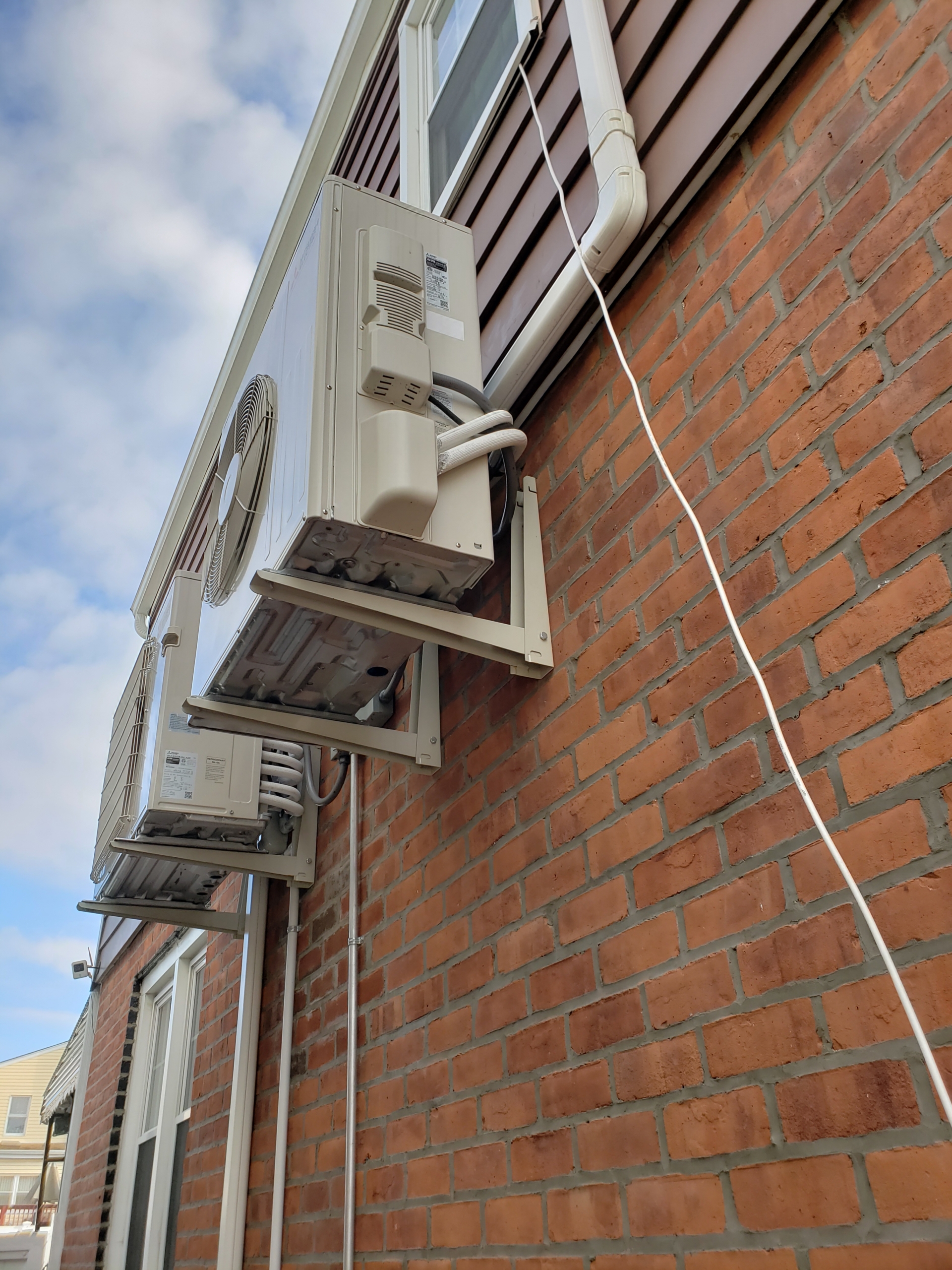
As materials arrive, we verify nameplates, NFRC labels for fenestration, and manufacturer’s cut sheets against the approved set. For HVAC and service hot water, we confirm efficiencies, control sequences, and balancing provisions that support stable operation, not just paper compliance. For lighting, we cross-check lighting power density calculations, sensor locations, and control zoning against the plan, so acceptance testing later is a formality rather than a scramble. This trust-but-verify cadence keeps procurement aligned with compliance, prevents substitutions from drifting off spec, and avoids costly rework.
During construction, readiness walks precede each hold point. Envelope milestones confirm insulation placement, thermal-bridge mitigation, and air-barrier transitions at penetrations and parapets. Mechanical milestones confirm duct sealing, pipe insulation continuity, and sensor placement where trends can be recorded by the building automation system. Lighting milestones confirm daylight zones, occupancy sensing, and time-switch control with clear labeling at panels. Each visit produces dated photos, quick measurements, and concise notes that examiners can parse at a glance, building a steady pattern of compliance throughout the job.
Closeout starts early. We assemble a searchable package of product data, acceptance test results, and field photos keyed to drawing details and room numbers. Functional testing summaries document setpoints, sequences, and observed responses, with any corrections listed, dated, and re-verified. Ongoing requirements, like maintenance intervals or calibration checks, are called out in a simple operations summary. The net effect is a review-ready record that proves the design intent was installed, tested, and left in serviceable condition, exactly what an energy-code signoff is meant to confirm.